Blue Note Font: Handwritten Elegance
There I was, tracing the edges of a candle label with a pencil, trying to find the perfect font that felt both personal and polished. That’s when I discovered Blue Note—a simple yet elegant handwritten font that brought a touch of warmth to every project.
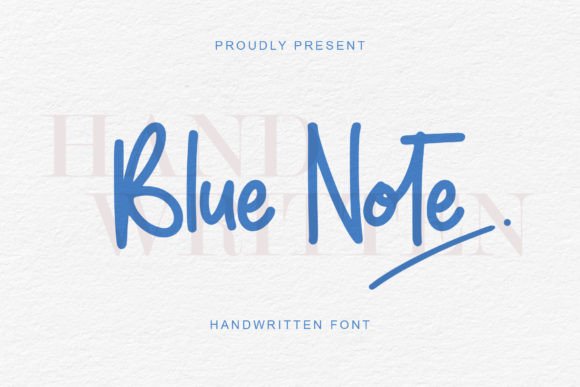
Blue Note has a soft, flowing style that feels like a friendly note from a friend. It’s not too ornate, not too casual, just right for creating a sense of authenticity in handmade products. The curves are gentle, the strokes are consistent, and the overall look is modern but approachable.
I first used Blue Note on a set of farmhouse-style signs for a seasonal shop. The font added a cozy, inviting feel that matched the rustic aesthetic of the space. It worked equally well on greeting cards, where its readability made it easy to read at a glance, even on small stickers or printed notes.
One of my favorite uses for Blue Note has been on candle labels. The font gives each product a custom, handcrafted look that stands out on the shelf. Whether I’m labeling soy candles, beeswax tarts, or essential oil blends, Blue Note adds a level of detail that customers often comment on.
For digital printables, Blue Note is a game-changer. I’ve used it for printable wall art, planner pages, and wedding invitations. Its versatility makes it ideal for both decorative elements and clear, readable text. I often pair it with a clean sans serif font for headings, letting Blue Note shine as the main text while keeping the design balanced.
When working with cutting machines like Cricut or Silhouette, I found that Blue Note holds up well on small stickers and custom cutouts. The font’s legibility at smaller sizes makes it perfect for tags, name badges, or personalized gift tags. I always test the font on different materials—paper, vinyl, fabric—to ensure it looks good in every context.
Another place where Blue Note really comes into play is in packaging design. I’ve used it on boutique tags, product boxes, and even on the back of business cards. The font adds a subtle yet distinctive flair that helps build brand recognition without being overwhelming.
For seasonal projects, like holiday tags or birthday invitations, Blue Note brings a sense of charm and personality. I’ve used it on handmade cards for birthdays, weddings, and thank-you notes, and it always feels right. The font doesn’t overpower the message—it enhances it.
When designing for online shops, I pay close attention to how Blue Note appears on listing images and mockups. It looks great on preview images, especially when paired with a neutral background. The font’s natural flow gives a sense of movement and creativity, which is exactly what I want to convey to potential buyers.
Blue Note is also useful for creating signage, whether it’s a welcome board for a wedding, a store sign, or a directional marker. Its readability and style make it a go-to choice for any project that needs a bit of personality.
One thing I always check before using any font for commercial purposes is the licensing. Blue Note includes all the necessary styles, alternates, and ligatures, making it easy to use across different platforms. I’ve used it in SVG designs, digital downloads, and even on merchandise like mugs and tote bags, and it always looks sharp.
Whether you’re a crafter, a printable creator, or a small shop owner, Blue Note offers a versatile and appealing option for your design needs. Its clean lines and warm character make it a reliable choice for anything from product labels to creative stationery.
As I continue to explore new ways to use Blue Note, I keep coming back to its simplicity and charm. It’s a font that feels right at home in both traditional and modern settings, and it never fails to add a little extra something to my handmade creations.
From candle labels to digital printables, Blue Note has proven itself as a valuable addition to my design toolkit. It’s a font that speaks to the heart of handmade craftsmanship, offering a balance of style and practicality that every maker can appreciate.