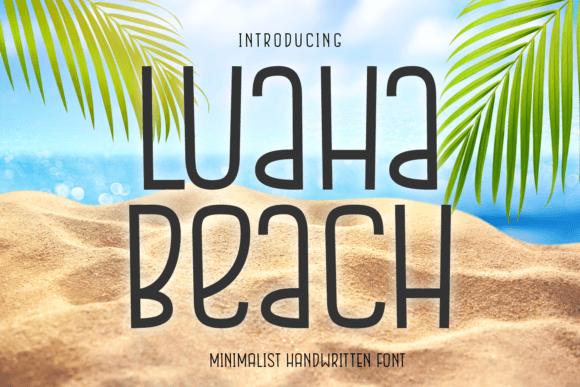
Luaha Beach Font: Tropical Typography for Editorial Design
The Luaha Beach font brings a laid-back, handwritten charm that enhances editorial design with its relaxed and inviting style. Perfect for content creators looking to infuse warmth and personality into their work, this script font offers a natural, flowing aesthetic ideal for headings, titles, and visual accents.
As a member of the Script Amp collection, Luaha Beach combines the elegance of a handwritten typeface with the versatility needed for modern publishing. Its soft curves and organic shapes make it an excellent choice for projects that require a friendly, approachable tone. Whether used in blog headers, magazine covers, or digital publications, this font adds a touch of summery flair without sacrificing readability.
Visual Characteristics and Editorial Appeal
Luaha Beach features a casual, handwritten look that mimics natural pen strokes. The font’s irregularity and slight variations give it a personal, authentic feel that stands out in a sea of rigid typefaces. This makes it particularly well-suited for content that benefits from a human touch, such as lifestyle blogs, recipe guides, and creative workbooks.
Its visual personality is warm and inviting, making it ideal for content that aims to engage readers on an emotional level. The font’s flow and rhythm create a sense of movement, which can be especially effective when used in headings, pull quotes, or section dividers. For editorial designers, this means greater flexibility in crafting layouts that feel dynamic and visually interesting.
Applications in Editorial Design and Content Layouts
Luaha Beach excels in roles that require visual emphasis and personality. It works exceptionally well as a headline font for blog posts, magazine covers, or ebook titles. Its soft, flowing lines make it perfect for creating eye-catching headlines that stand out while maintaining a cohesive design language.
In addition to headings, this font can be used in quote graphics, chapter openers, and printable guides. For example, a wellness blog might use Luaha Beach for featured quotes or section titles to add a calming, nature-inspired vibe. A wedding guide could use it for cover text or key sections to evoke a romantic, elegant atmosphere.
When used in newsletters or digital magazines, Luaha Beach can help reinforce brand identity by adding a consistent, recognizable element across different formats. Its ability to convey a sense of warmth and approachability makes it a strong choice for content that aims to build trust and connection with the audience.
Supporting Visual Hierarchy and Reader Engagement
Effective typography plays a crucial role in guiding readers through content. Luaha Beach can be used strategically to establish visual hierarchy, drawing attention to key elements without overwhelming the reader. Its natural flow helps direct the eye along the page, making it ideal for headings, subheadings, and accent text.
For longer reading experiences, such as ebooks or articles, it’s best to pair Luaha Beach with a more readable font. A serif or sans serif typeface can serve as the body text, while Luaha Beach adds visual interest to titles and highlights. This pairing ensures that the content remains legible and accessible across different devices and formats.
Readability is also important when considering how Luaha Beach performs in print and digital environments. On screens, the font maintains clarity at larger sizes, making it suitable for web-based content. When exported to PDF or printed, its organic shape retains its character, ensuring a professional and polished appearance.
Font Pairing and Design Flexibility
Pairing Luaha Beach with complementary fonts can enhance its effectiveness in editorial design. A clean, modern sans serif like Lato or Montserrat can provide contrast and balance, making it easier for readers to navigate through content. For a more traditional look, a serif font such as Georgia or Merriweather can offer a classic, refined feel.
Designers should also consider the weight and style of the font. Luaha Beach may come in multiple weights or variants, allowing for greater control over how it’s used throughout a publication. Some versions may include alternate characters or ligatures, offering additional customization options for unique design needs.
For multilingual projects, checking the font’s support for different languages is essential. While Luaha Beach is primarily designed for English, its versatility may extend to other scripts depending on the version used. This makes it a valuable asset for global publications or content that requires cross-cultural appeal.
Commercial Use and Licensing Considerations
Luaha Beach is available as a commercial font, making it suitable for a wide range of publishing and design projects. Content creators can use it in ebooks, templates, printables, paid newsletters, and client publications, provided they adhere to the licensing terms. This flexibility allows designers to incorporate the font into their workflow without restrictions.
When using Luaha Beach in branded materials, such as logos or packaging, it’s important to ensure that the font aligns with the overall brand identity. Its friendly, handwritten style can complement a variety of brand personalities, from casual and playful to sophisticated and elegant.
For independent content creators and small businesses, Luaha Beach offers an affordable way to elevate the visual appeal of their work. Whether used in a digital magazine, printable planner, or coaching workbook, this font adds a distinctive touch that sets content apart from the competition.
By integrating Luaha Beach into editorial design, publishers and content creators can enhance the visual storytelling of their work. Its ability to blend personality with functionality makes it a valuable tool for anyone looking to create engaging, aesthetically pleasing content. With careful application and thoughtful pairing, this font can become a key element in a designer’s toolkit.